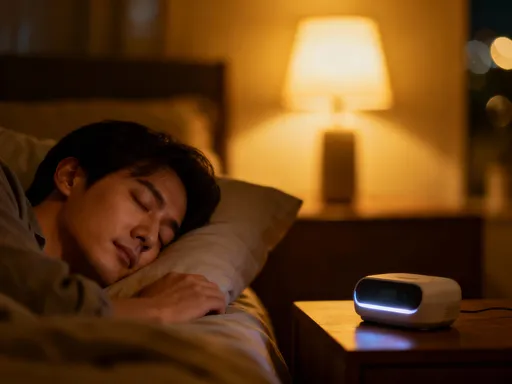
What If Your Sleep Routine Could Make You a Better Team Player?
Imagine lying in bed, scrolling mindlessly, hoping to shut off your brain. You’re tired, but your mind races—work stress, unfinished tasks, tomorrow’s meeting. What if, instead of draining you, your nighttime routine actually helped you wake up sharper, calmer, and more in sync with others? The right sleep tech doesn’t just improve rest—it reshapes how you connect, collaborate, and show up in your daily life. It’s not about chasing perfection or turning into a robot on a strict schedule. It’s about creating space for your body and mind to reset, so you can show up as the thoughtful, patient, present person you truly want to be—for yourself, and for everyone around you.
The Hidden Cost of Poor Sleep on Daily Interactions
Let’s be honest—most of us don’t think twice about skimping on sleep. We burn the midnight oil finishing emails, catch up on shows, or just lie there worrying. We tell ourselves it’s no big deal. But here’s what we don’t talk about enough: how poor sleep quietly erodes our ability to get along with others. It’s not just about feeling groggy the next day. It’s about how exhaustion chips away at our emotional balance, making us quicker to snap, slower to listen, and less able to read the room.
Think about the last time you were short-tempered with your partner over something small—maybe they left a dish in the sink, or forgot to reply to a text. Chances are, you hadn’t slept well the night before. Or remember that moment in a team meeting when someone said something you misinterpreted as criticism? You felt defensive, maybe even shut down. That reaction wasn’t just about the comment—it was about your brain being too tired to process tone and intent with clarity. Sleep deprivation dulls the part of our brain responsible for emotional regulation and social awareness. We become more reactive and less responsive, which makes collaboration harder and relationships feel strained.
And it’s not just personal relationships. In group settings—whether it’s a work project, a PTA meeting, or planning a family event—our energy and attitude are contagious. When we’re running on empty, we bring tension into the room without even realizing it. We might interrupt more, listen less, or dismiss ideas too quickly. These small behaviors add up, creating friction where there could be flow. The truth is, rest isn’t just a personal luxury. It’s a social responsibility. How we show up for others starts the night before, in the quiet moments when we choose how to wind down—or don’t.
How Sleep Aids Are Evolving Beyond White Noise
Remember when the most high-tech thing we had for sleep was a white noise machine or maybe a lavender-scented pillow spray? Those are still nice, but today’s sleep tools do so much more. They’re not just about masking sound—they’re about guiding your body into a state of true relaxation. Think of them as a gentle support system that helps your nervous system shift from ‘on high alert’ to ‘safe and ready to rest.’ And the best part? You don’t need a PhD in tech to use them.
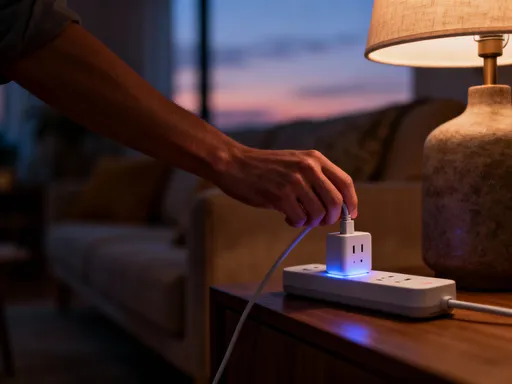
Take smart lighting, for example. Your body’s internal clock—called the circadian rhythm—responds powerfully to light. When your room stays bright late into the evening, especially with the blue light from screens, your brain gets confused. It thinks it’s still daytime, so it holds off on releasing melatonin, the hormone that makes you sleepy. But with smart bulbs or lamps, you can set them to gradually dim and shift to warmer tones in the evening. It’s like a soft signal to your body: ‘Hey, the day is winding down. It’s okay to slow down too.’ You don’t have to remember to do it—your lamp does it for you, like a quiet lullaby for your senses.
Then there are apps that guide your breathing. You’ve probably heard of box breathing or 4-7-8 breathing—techniques used by everyone from yoga teachers to Navy SEALs. Now, apps can walk you through them with soothing visuals or gentle voice prompts. You don’t have to be an expert. Just follow the rhythm, and within minutes, your heart rate slows, your muscles relax, and your mind starts to quiet. These aren’t gimmicks. They work with your body’s natural systems to reduce stress and prepare you for deeper rest.
And let’s not forget temperature-regulating bedding. Ever tossed and turned because you were too hot or too cold? Your body needs to drop its core temperature slightly to fall asleep. Some smart blankets and mattress pads now adjust to your ideal sleeping temperature throughout the night. No more kicking off the covers at 2 a.m. These tools don’t replace good sleep habits, but they make it easier to stick to them. They remove friction, so you’re not fighting your environment just to get some rest.
From Restless Nights to Clearer Mornings: A Personal Shift
I used to be the person who stayed up too late, scrolling through my phone in bed. I thought I was unwinding, but really, I was overloading my brain. My mornings were rough—groggy, unfocused, and emotionally flat. I’d rush through breakfast, forget half my to-do list, and feel drained by 10 a.m. My kids would ask, ‘Mom, are you okay?’ and I’d say yes, but the truth was, I wasn’t present. I was just going through the motions.
Then I started experimenting with a simple tech-supported routine. I got a smart lamp that dims on its own at 8:30 p.m. At first, it felt strange—like my house was telling me it was bedtime. But I went with it. I’d turn off the TV, put my phone in another room, and sit with a book under the warm glow of the lamp. Sometimes, I’d use a meditation app that asked, ‘How stressed do you feel tonight?’ and adjusted the session length accordingly. If I was really wound up, it gave me a longer breathing exercise. If I was already calm, it kept it short. It felt like having a little sleep coach who actually listened.
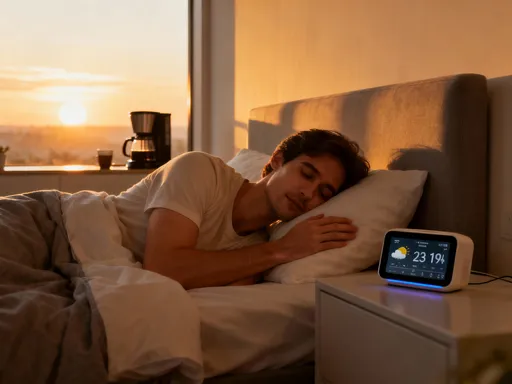
The change didn’t happen overnight, but within a few weeks, I noticed something different. I was waking up more easily. Not with a jolt, but gently, like I’d actually rested. My mind felt clearer. I could remember things—what I needed to pack for school, the name of that recipe I wanted to try, even small details from conversations. But the biggest shift was emotional. I was less reactive. When my son spilled juice on the floor, instead of snapping, I took a breath and said, ‘It’s okay. Let’s clean it up together.’ That moment surprised me. I realized I wasn’t just sleeping better—I was showing up better.
And it spilled into my work life too. I started joining virtual meetings with more focus. I caught myself actually listening to my colleagues instead of planning what I was going to say next. I felt more connected, more in sync. It wasn’t that my life had changed—but my capacity to handle it had. That’s when it hit me: better sleep wasn’t just giving me more energy. It was giving me more presence. And presence is the foundation of every good relationship, every strong team, every meaningful moment.
The Link Between Deep Rest and Collaborative Intelligence
Here’s something most of us don’t think about: sleep is when your brain organizes and processes everything from the day. It’s not shutting down—it’s doing a deep clean. And part of that clean-up includes social information. Your brain reviews conversations, body language, tone of voice, and emotional cues. It’s basically running a background update on your social skills while you’re asleep.
When you get quality rest, especially deep sleep and REM sleep, your brain strengthens the neural pathways linked to empathy, emotional regulation, and problem-solving. These are the exact skills that make teamwork work. Think about the last time you were in a tough discussion—maybe a disagreement at work or a sensitive talk with a friend. If you were well-rested, you were probably able to stay calm, listen fully, and respond thoughtfully. If you were tired, you might have gotten defensive, missed key points, or said something you regretted. That’s not a character flaw. That’s your brain running on low power.
Science shows that people who sleep well are better at reading facial expressions, picking up on subtle social cues, and resolving conflicts peacefully. They’re also more creative in group settings, able to build on others’ ideas instead of shutting them down. It’s like your brain’s teamwork software gets an automatic update every night—if you let it. Poor sleep, on the other hand, is like trying to run that software on an outdated system. Everything feels slower, glitchier, and more frustrating.
And here’s the beautiful part: this isn’t just about big moments. It’s about the small, everyday interactions that build trust and connection. The coworker who feels heard when you nod and say, ‘I see what you’re saying.’ The friend who feels supported when you remember the details of her story. The child who feels safe because you respond with patience instead of irritation. These moments are powered by rest. When you sleep well, you’re not just more productive—you’re more emotionally available. And that’s what makes true collaboration possible.
Building a Sleep Routine That Prepares You for Connection
So how do you actually build a routine that supports both rest and connection? The key is to think of your bedtime not just as an end to the day, but as preparation for the next. It’s like charging your phone at night so it’s ready to go in the morning—except the device you’re charging is you.
Start small. Pick one tech tool that feels manageable. Maybe it’s a smart lamp that dims automatically. Set it to start winding down an hour before bed. That gentle shift in light signals to your body that it’s time to relax. Pair it with a simple habit—like reading a book, journaling, or sipping herbal tea. The tech supports the habit, and the habit reinforces the tech. Over time, your body starts to associate that dimming light with calm, making it easier to transition into rest.
Next, consider a guided meditation or breathing app. Look for one that adapts to your needs. Some apps let you check in with your stress level and adjust the session accordingly. If you’re feeling overwhelmed, it might give you a longer session with deeper relaxation cues. If you’re already calm, it keeps it brief. The goal isn’t to ‘fix’ your stress in ten minutes—it’s to create a consistent ritual that tells your nervous system, ‘You’re safe. You can let go now.’
You might also explore temperature control. If you tend to wake up hot or cold, a smart blanket or cooling mattress pad can make a big difference. These aren’t luxuries—they’re tools that remove physical barriers to sleep. And when you’re not fighting discomfort, your mind can relax more fully.
The most important thing? Consistency. It’s better to do a simple routine every night than a perfect one once in a while. And remember, this isn’t selfish. It’s not just about you feeling better. It’s about showing up as a better listener, a calmer leader, a more patient parent. Every time you prioritize rest, you’re also prioritizing your relationships. You’re saying, ‘I value how I show up in the world, and I want to be fully present for the people who matter.’
Small Tech, Big Ripple: How One Change Affects Many
It’s easy to think of sleep as a solitary act—something you do alone, in the dark, behind closed doors. But the truth is, your rest has a ripple effect. When you sleep better, you bring a different energy into every room you enter. You speak more gently. You listen more deeply. You react less and respond more. And that shift doesn’t just affect you—it changes the atmosphere around you.
Imagine leading a team meeting after a night of deep rest. You’re calm, focused, and open to ideas. You notice when someone hesitates to speak and gently invite them in. You build on suggestions instead of shutting them down. The meeting feels productive, even uplifting. Now imagine the same meeting after a night of poor sleep. You’re tired, maybe a little irritable. You cut people off, miss key points, or dominate the conversation. The energy feels tense, and collaboration stalls. Same team, same agenda—but different outcomes, all shaped by one person’s rest.
It’s the same at home. When you’re well-rested, you’re more likely to have the patience to help your child with homework, the presence to really hear your partner’s story, the calm to handle a surprise mess without frustration. These moments seem small, but they build the foundation of strong, connected relationships. And when one person in a household starts sleeping better, it often inspires others to do the same. Maybe your partner notices you’re calmer and asks what you’re doing differently. Maybe your teenager sees you reading instead of scrolling and thinks, ‘Maybe I should try that too.’
That’s the quiet power of sleep tech—it doesn’t just improve your nights. It improves your days, and by extension, the lives of everyone around you. You become a role model for self-care that isn’t selfish—it’s sustaining. You show that taking care of yourself isn’t a luxury. It’s the first step toward being able to care for others with clarity, compassion, and energy.
Making It Stick: Simple, Sustainable Habits for Real Lives
Let’s be real—life is messy. There will be nights when the kids are sick, the dog won’t stop barking, or you have a last-minute work deadline. Perfection is not the goal. Progress is. The key to making any sleep routine stick is to keep it flexible, forgiving, and focused on small wins.
Start with just ten minutes. That’s it. Ten minutes of screen-free wind-down time. Use a smart lamp to signal the shift, or set a gentle alarm on your phone that says, ‘Time to slow down.’ During those ten minutes, do something that helps you transition—read, stretch, write down your thoughts, or just sit quietly. The tech isn’t replacing these habits. It’s supporting them, making them easier to remember and stick to.
If you’re using an app, don’t feel pressured to do a full 20-minute session every night. Some nights, five minutes of breathing is enough. The important thing is showing up, even in a small way. Over time, those small moments add up. Your body starts to recognize the pattern, and the transition from ‘on’ to ‘off’ becomes smoother.
And if you miss a night? No guilt. No drama. Just start again the next day. The beauty of most sleep tech is that it’s always ready. Your lamp doesn’t judge you. Your app doesn’t keep score. They’re there whenever you’re ready to try again. This isn’t about discipline. It’s about kindness—to yourself and to the people who depend on you.
Remember, you’re not trying to become a sleep robot. You’re trying to create a life where rest is valued, where technology serves you instead of distracting you, and where you have the energy and emotional clarity to show up fully. And that’s something worth building, one small habit at a time.
Rest That Strengthens More Than Your Body
At the end of the day, sleep isn’t just about recovering from fatigue. It’s about preparing for connection. It’s about giving yourself the gift of clarity, calm, and emotional resilience—so you can show up as the person you want to be in your relationships, your work, and your community. The right technology doesn’t replace human needs. It supports them. It helps bridge the gap between intention and action, between wanting to feel better and actually doing the things that make it happen.
When you invest in rest with thoughtful tools and consistent habits, you’re not just healing your body. You’re strengthening your ability to listen, to empathize, to collaborate, and to love well. You’re creating a quieter, more grounded version of yourself—one who doesn’t react from stress but responds from strength. And that version of you has a quiet but powerful impact on the world.
So tonight, as you prepare for bed, remember: you’re not just turning off the lights. You’re setting the stage for tomorrow’s conversations, tomorrow’s teamwork, tomorrow’s moments of connection. You’re not just resting. You’re preparing to be present. And in a world that often feels rushed and fragmented, that might be the most powerful thing you can do.