I keep forgetting to turn things off" – How smart plugs quietly cut my bill and stress
We’ve all been there—rushing out the door, only to wonder: *Did I turn off the iron? Is the AC still running?* That nagging doubt used to drain my energy more than the appliances. But what if your home could help you form better habits without effort? I discovered that simple tech tools don’t just save power—they reshape daily routines, bring calm to chaos, and quietly align family life. This isn’t about fancy gadgets; it’s about peace of mind, one small change at a time.
The Moment Everything Changed: A Burnt-Toaster Wake-Up Call
I remember it like it was yesterday. I was halfway to my daughter’s school drop-off when my stomach dropped. The toaster. I’d used it quickly that morning—just enough time to burn the bread slightly—and in my rush, I didn’t unplug it. I didn’t even think twice. But halfway down the road, it hit me: Is it still on? My mind raced. Was it hot enough to catch something? Could the counter catch fire? I imagined smoke filling the kitchen, the fire alarm blaring, my poor cat terrified under the couch. I turned the car around, heart pounding, and drove back home—only to find the toaster cold and silent on the counter. Nothing had happened. But everything had changed.
That small moment shook me. It wasn’t just about the toaster. It was about the constant mental load I was carrying. The silent checklist running in the back of my mind all day: Did I turn off the coffee maker? Is the curling iron unplugged? Is the fan still running in the bedroom? I realized I wasn’t just managing a home—I was managing anxiety. And it was exhausting. I wasn’t lazy or careless. I was overwhelmed. Between school runs, grocery shopping, work calls, and trying to squeeze in a few quiet minutes for myself, I didn’t have the bandwidth to remember every single switch.
That’s when I started looking for help—not from another person, but from something quieter, simpler. I began researching ways to make my home a little more forgiving of human error. And that’s how I found smart plugs. I didn’t expect much—just maybe a way to turn things off from my phone. But what I discovered was so much more. These little devices didn’t just give me control; they gave me back my peace of mind. They didn’t judge me for forgetting. They just… helped. And slowly, without me even realizing it, they started changing how I lived.
Meet Your Home’s New Helper: Energy Tools That Work With You, Not Against You
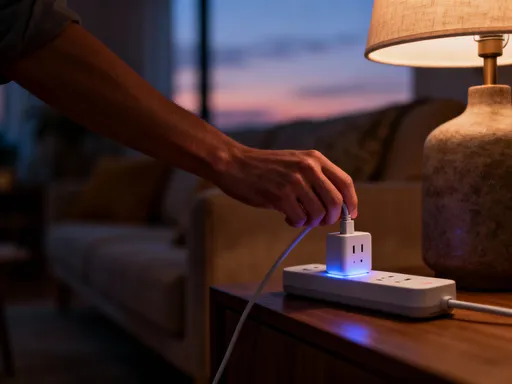
When I first heard about smart plugs, I’ll admit—I thought they were for tech geeks with too much time and money. I pictured complicated apps, confusing settings, and devices that would stop working every time the Wi-Fi blinked. But the truth? Smart plugs are surprisingly simple. Think of them as tiny helpers that sit between your appliance and the wall outlet. You plug your lamp, coffee maker, or space heater into the smart plug, connect it to your home Wi-Fi, and control it from your phone. That’s it. No rewiring. No degree in engineering. Just plug, connect, and breathe.
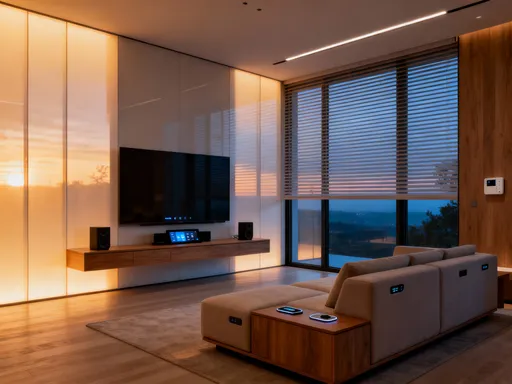
But here’s the real magic: they don’t just let you turn things off remotely. They learn. You can set schedules—like having your coffee maker turn on at 7:00 a.m. every weekday or your living room lamp shut off at 10:30 p.m. You can create routines, like “Goodnight,” which turns off all your lights, the TV, and the hallway fan with one tap. Some even have energy monitoring, so you can see how much power each device uses. I was shocked to learn my old TV was pulling energy even when it was “off.” We call that “vampire power”—and it’s more common than you think.
The beauty of these tools is that they meet you where you are. You don’t have to be perfect. You don’t even have to remember to use them every day. Over time, they build consistency for you. And the best part? They’re not bossy. They don’t nag. They just quietly do their job, like a good friend who makes your life a little easier without making a big deal about it. I started with one plug—just for my bedroom fan. And that one small step made me curious about what else could help.
From Chaos to Coordination: Getting Everyone on the Same Page
If you’ve ever lived with other people—especially kids—you know that the hardest part of saving energy isn’t the technology. It’s the humans. I used to get frustrated when I’d walk into a room and find three lights on, the TV blaring, and the heater running full blast—on a warm day. I’d snap, “Who left all this on?!” And someone would mumble, “I forgot,” or “I was just in here!” It wasn’t about laziness. It was about different rhythms, different habits. But those little moments added up—to higher bills, yes, but also to tension in our home.
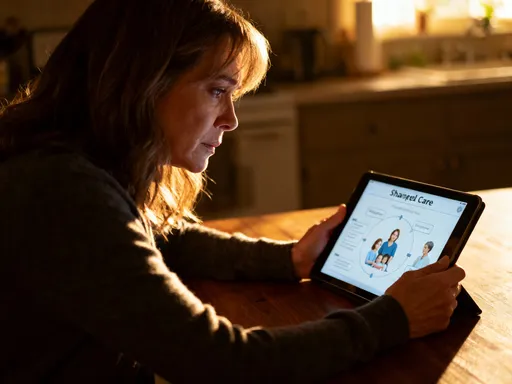
Then I invited my family into the solution. I showed them the app on my phone and said, “Look—this little thing tells us how much power we’re using. Want to see?” My teenage daughter, who usually rolls her eyes at anything I suggest, actually leaned in. “Wait, the fridge uses that much?” she asked. We started playing a game: “Can we beat last week’s total?” We called it “Family Power Wins.” Every time we saved a little more, we’d celebrate—sometimes with ice cream, sometimes just with a high-five. The smart plug became a neutral referee, not me. I wasn’t the “energy police” anymore. The data was.
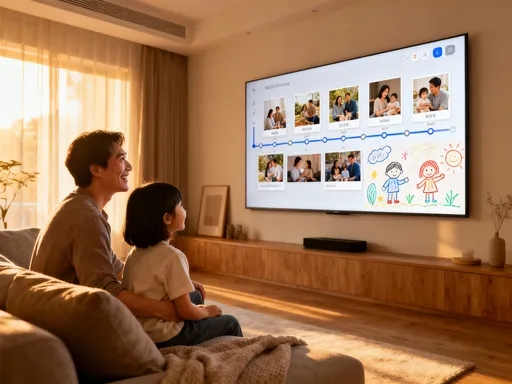
What surprised me most was how this small shift improved our communication. Instead of blaming, we started problem-solving together. “Hey, maybe we should set the TV to turn off at 9 p.m. on school nights?” my son suggested. “That way, no one has to remember.” And we did. We created a routine that worked for everyone. The tech didn’t fix our family dynamics—but it gave us a shared language, a common goal. It turned energy use from a source of conflict into a quiet team effort. And honestly? That felt better than any savings on the bill.
Tiny Habits, Big Shifts: How Automation Teaches Awareness
Here’s something I didn’t expect: the more I automated, the more aware I became. It sounds backwards, right? If the lights turn off by themselves, why would I pay more attention? But it turns out, automation can actually make you more mindful—if it gives you feedback. Most smart plugs and energy monitors send weekly summaries. Mine shows me how much I saved, what used the most power, and even compares my usage to last month.
One week, I noticed a spike in energy use. The report showed my living room was the culprit. I was confused—until I remembered: I’d been binge-watching a new series late into the night, with the TV, soundbar, and lamp all running. The data didn’t shame me. It just showed me the truth. And that truth helped me make a choice: “Maybe I don’t need to watch two episodes every night. Maybe I could go to bed earlier.” Without guilt, without pressure—just awareness.
This is the power of feedback loops. When you see the impact of your habits, even small ones, it helps you make better decisions. It’s like wearing a fitness tracker that shows your steps—you start walking more, not because you’re forced to, but because you can see what’s possible. The smart plug didn’t make me perfect. But it gave me information, and information is power. Over time, I started unplugging things without thinking. I’d glance at a lamp before leaving a room, not out of fear, but out of habit. The tool didn’t replace mindfulness—it nurtured it.
Saving More Than Watts: The Hidden Gains of Smarter Routines
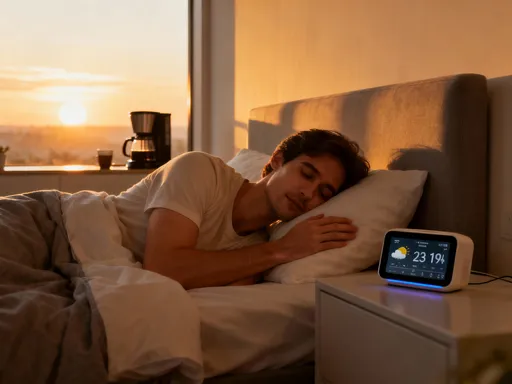
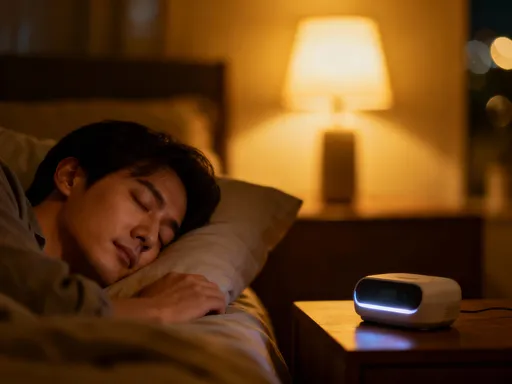
Yes, my electric bill went down. By about 18% in the first three months. But that wasn’t the biggest win. The real changes showed up in ways I never expected. I sleep better now, knowing I don’t have to drive back home to check the stove. I feel calmer in the mornings, because my coffee maker turns on automatically, and my living room lights come on gently, like a soft wake-up call. I have more time—and more patience—because I’m not wasting mental energy on what-ifs.
And here’s something sweet: my family has started unplugging things too. Not because I asked, but because they’ve noticed the difference. My husband now says, “Let me check the app,” before we leave the house. My daughter turns off her desk lamp without being reminded. It’s not because the tech forced them—it’s because the environment changed. When the default is “off,” it’s easier to do the right thing.
But the most unexpected benefit? More connection. Because we’re not arguing about lights or fans, we’re talking about other things. We’re laughing at dinner instead of bickering about who left the TV on. We’re reading together in the evening because the screens go off on their own. The house feels calmer. Kinder. More like a home. And that’s worth more than any savings on a utility bill.
Making It Stick: Simple Setups That Last Beyond the Honeymoon Phase
Let’s be real—most of us start strong and fade fast. I’ve bought yoga mats I never used, downloaded meditation apps I abandoned, and set up routines that lasted three days. So when I started with smart plugs, I braced myself for another short-lived experiment. But this time was different. Why? Because I kept it simple.
I started with just one plug. One. For my bedroom fan. I set it to turn off at 11 p.m. every night. That’s it. No grand plan. No whole-house overhaul. And because it worked—because I noticed the fan wasn’t running all night, and I slept better, and my bill dropped a little—I wanted to do more. That’s the secret: start small. Let the success of one tiny win build your confidence for the next.
I also made it fun. I named my devices things like “The Night Owl Killer” for the bedroom plug and “Lazy Lights” for the living room. My kids loved it. It didn’t feel like a chore—it felt like a game. I linked new habits to existing ones: when I lock the front door, I check the app. When I put the kettle on, I check if the curling iron is off. These tiny connections made the new routines feel natural, not forced.
And I gave myself grace. If I forgot, it was okay. The tech was there to catch me. I didn’t have to be perfect. That mindset shift—from striving to simply trying—made all the difference. This wasn’t about control. It was about support. And because it felt easy, it stuck.
A Home That Grows With You: Long-Term Peace, One Habit at a Time
Now, months later, these tools aren’t gadgets anymore. They’re part of the rhythm of our home. They’re as normal as the toaster—or at least, the unplugged one. What started as a fix for forgetfulness has grown into something deeper: a way of living with more intention, less stress, and more room for what matters.
I’ve noticed changes beyond energy use. Because I’m not so drained by constant mental checklists, I have more focus for meal planning, more patience with screen time rules, and even better communication with my family. Small shifts in one area created ripples in others. It’s like cleaning one corner of a messy room—you start seeing what’s possible everywhere.
And here’s the truth I’ve learned: technology doesn’t have to be flashy or complicated to be powerful. Sometimes, the quietest tools make the biggest difference. They don’t shout for attention. They just sit there, doing their job, helping you breathe a little easier. They remind us that progress isn’t about perfection. It’s about showing up, trying, and letting the little things add up.
So if you’re the kind of person who rushes out the door wondering, “Did I turn it off?”—you’re not alone. And you don’t have to carry that weight forever. There’s help. It might come in the form of a small white plug, a simple app, or a quiet moment of realization. But it’s there. And it’s waiting to help you create a home that feels lighter, calmer, and more like you.