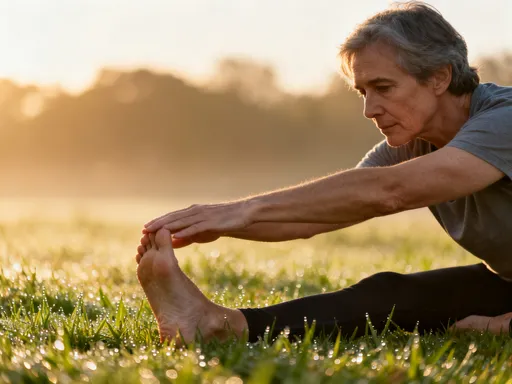
How I Found My Strength Again: Real Talk on Postpartum Healing
After having my baby, I felt broken—physically and emotionally. The exhaustion, the aches, the uncertainty—it was overwhelming. I didn’t know where to start with recovery. But through trial, error, and real guidance, I discovered practical ways that actually helped. This is about what worked for me: safe, science-backed rehab methods that restored my body and confidence. You’re not alone, and healing *is* possible—one step at a time.
The Hidden Struggle: Understanding Postpartum Physical Recovery
Childbirth is one of the most transformative experiences a woman can go through, yet the physical recovery that follows is often minimized or misunderstood. While the joy of welcoming a new life is celebrated, the deep changes within a woman’s body are frequently overlooked. After delivery, whether vaginal or cesarean, the body undergoes a profound period of healing. Muscles, ligaments, and organs that shifted dramatically during pregnancy need time to return to their pre-pregnancy state—if they ever fully do. This process is not simply about shrinking back into old jeans; it’s about restoring function, strength, and integrity to a system that has been stretched to its limits.
One of the most common yet under-discussed conditions is diastasis recti—the separation of the abdominal muscles along the midline of the stomach. This occurs in nearly every pregnancy to some degree, but when the gap remains wide after birth, it can lead to lower back pain, poor posture, and compromised core strength. Similarly, pelvic floor dysfunction affects a significant number of women postpartum. The pelvic floor, a group of muscles that support the bladder, uterus, and bowels, becomes stretched and weakened during childbirth. This can result in urinary incontinence, pelvic pressure, or discomfort during daily activities. These issues are not rare—they are normal in the sense that many women experience them, but they are not something to simply accept as inevitable.
Another often-ignored consequence is joint and ligament instability. During pregnancy, the hormone relaxin loosens connective tissues to prepare the pelvis for delivery. While this is essential for childbirth, it can leave joints—especially in the hips, pelvis, and spine—more vulnerable to strain in the months after birth. This means that even simple movements like bending over to pick up a baby or twisting to reach for a diaper can place unexpected stress on the body. Many new mothers unknowingly push through discomfort, believing they should be able to resume their pre-pregnancy routines quickly. But doing too much too soon can delay healing and even lead to long-term complications such as chronic pain or organ prolapse.
The gap between societal expectations and physical reality is wide. Media images often portray women “bouncing back” within weeks, wearing workout gear and holding babies with perfect posture. These portrayals create a false standard that can leave new mothers feeling inadequate or broken when they struggle to walk without pain or lift their child without strain. The truth is, the postpartum period is not a brief transition—it’s a critical phase of recovery that deserves attention, patience, and care. Recognizing that healing takes time is the first step toward reclaiming strength in a sustainable way.
Mindset Shift: From Quick Fix to Long-Term Healing
One of the most powerful changes a new mother can make is shifting her mindset from seeking a quick fix to embracing a long-term healing journey. In a culture that values speed and efficiency, it’s easy to view recovery as something to “get over” as fast as possible. But postpartum rehabilitation is not a race. It’s more like rebuilding a house after a storm—foundations must be assessed, structural integrity restored, and repairs made carefully, one step at a time. Rushing the process may create the illusion of progress, but it often leads to setbacks, frustration, and even injury.
Social media plays a significant role in shaping expectations. Scrolling through images of women doing intense workouts six weeks postpartum can make a mother who struggles to stand up from the couch feel like she’s failing. But these images rarely tell the full story. What isn’t shown are the years of fitness before pregnancy, the support systems in place, or the possibility of professional guidance behind the scenes. Comparing your recovery to someone else’s highlight reel is not only unfair—it’s misleading. Every body is different, every pregnancy is unique, and every recovery timeline is personal.
Healing begins with patience. Small, consistent actions—like practicing proper breathing, engaging the core gently, or taking short walks—may seem insignificant in the moment, but they build momentum over time. The body responds to repetition and consistency, not intensity. Learning to celebrate tiny victories—standing without leaking, lifting the baby without pain, sleeping through a feeding—can shift the focus from what’s missing to what’s improving. This kind of progress is real, even if it’s not photogenic.
Equally important is releasing the guilt that often comes with needing rest. Many women feel pressure to be “productive”—to care for the baby, manage the household, and return to work or social life as soon as possible. But rest is not laziness; it is a necessary part of healing. Sleep, naps, and even moments of stillness allow the body to repair tissues, regulate hormones, and rebuild energy. When a mother allows herself to rest without guilt, she honors the immense work her body has already done. This shift in thinking—from pushing through to honoring the process—lays the foundation for lasting recovery.
Pelvic Floor Rehab: Where Recovery Begins
The pelvic floor is a group of muscles that form a supportive hammock at the base of the pelvis. These muscles play a crucial role in bladder and bowel control, sexual function, and core stability. During pregnancy and childbirth, they endure tremendous pressure and stretching. As a result, many women experience some degree of pelvic floor weakness afterward. Yet, this vital area is often neglected in postpartum care, despite its impact on daily life and long-term health.
Signs of pelvic floor dysfunction include urinary leakage when coughing, sneezing, or laughing; a feeling of heaviness or pressure in the pelvis; difficulty controlling gas; or pain during intercourse. These symptoms are not rare, but they are not normal in the sense that they should be ignored. Left unaddressed, pelvic floor issues can worsen over time and affect mobility, confidence, and quality of life. The good news is that the pelvic floor can be rehabilitated, often without surgery or medication, through targeted exercises and proper technique.
Rehabilitation begins with awareness. Many women are unsure how to engage their pelvic floor correctly. A common mistake is bearing down or tightening the buttocks or thighs instead of lifting and squeezing the muscles around the urethra, vagina, and anus. A simple way to learn proper activation is to imagine stopping the flow of urine or preventing the passing of gas. However, this should only be used as a learning cue—not as an actual exercise while urinating. Once the correct muscles are identified, gentle kegel exercises can be performed lying down, focusing on slow contractions and full relaxation between squeezes.
Breathing is also a key component of pelvic floor health. Many women hold their breath or push down when exerting effort, which increases pressure on the pelvic floor. Learning to coordinate breath with movement—inhaling to relax the pelvic floor, exhaling to gently engage it—creates better support during daily activities like lifting, carrying, or climbing stairs. This technique, known as diaphragmatic breathing, also helps reduce tension and improve oxygen flow to healing tissues.
While self-guided exercises can be helpful, seeing a pelvic health physical therapist is often the most effective step. These specialists are trained to assess muscle strength, coordination, and tension, and can create a personalized rehab plan. They may use internal assessments to get a complete picture of function, which can feel intimidating but is conducted with care and consent. For women experiencing persistent symptoms or unsure where to start, professional guidance removes guesswork and accelerates progress. Investing in pelvic floor rehab is not indulgent—it’s essential for reclaiming control and confidence.
Core Restoration: Closing the Gap, Building Stability
Core strength after childbirth is about more than appearance—it’s about function. The deep core system includes the transverse abdominis, pelvic floor, diaphragm, and multifidus muscles of the spine. Together, they create intra-abdominal pressure that stabilizes the trunk and protects the lower back. During pregnancy, as the uterus expands, the rectus abdominis muscles (the “six-pack” muscles) often separate along the linea alba, a connective tissue seam. This separation, known as diastasis recti, is a normal adaptation, but when it doesn’t close properly postpartum, it can compromise core function and lead to pain or injury.
Many women mistakenly believe that traditional ab exercises like crunches or sit-ups will help close the gap. In reality, these movements often increase pressure on the abdominal wall and can worsen diastasis. Instead, recovery begins with retraining the deep core muscles to work together. The first step is learning to engage the transverse abdominis—the deepest abdominal layer—by gently drawing the lower belly toward the spine without holding the breath or flaring the ribs. This should feel subtle, not forceful. When combined with proper breathing and pelvic floor engagement, this creates a stable, supportive cylinder around the spine.
Progression is gradual. Early exercises may include heel slides, pelvic tilts, or dead bugs—movements that challenge stability without straining the abdominal wall. As strength improves, functional movements like standing marches or modified planks can be introduced, always with attention to form and alignment. The goal is not to rush into advanced workouts but to rebuild neuromuscular connections so the body can support daily tasks safely.
Everyday habits also influence core healing. Poor posture—such as slouching while breastfeeding or overarching the back when lifting a car seat—can place unnecessary strain on weakened tissues. Simple adjustments, like sitting on a cushion for better pelvic alignment or using a nursing pillow to support the arms, reduce stress on the core. Similarly, learning to brace the deep abdominals before standing up or picking up the baby helps protect the healing midline. These small changes, when practiced consistently, support long-term recovery far more than intense workouts done incorrectly.
Movement That Supports, Not Punishes
Physical activity after childbirth should nourish the body, not deplete it. Many new mothers feel pressure to return to high-intensity workouts, believing that sweating hard is the only way to regain fitness. But in the early postpartum months, the body is still healing, and aggressive exercise can do more harm than good. The goal is not to burn calories but to rebuild strength, improve circulation, and support mental well-being through gentle, intentional movement.
Walking is one of the most beneficial and accessible forms of postpartum exercise. It improves cardiovascular health, boosts mood through endorphin release, and encourages lymphatic drainage, which helps reduce swelling. Starting with short, slow walks—five to ten minutes around the block—and gradually increasing duration allows the body to adapt without overexertion. Using a supportive stroller and wearing comfortable shoes makes it easier to include the baby, turning exercise into bonding time.
Modified yoga is another excellent option. Prenatal or postnatal yoga classes focus on gentle stretching, breathwork, and pelvic floor awareness. Poses like cat-cow, child’s pose, and seated forward bends help release tension in the back and hips while promoting relaxation. It’s important to avoid deep twists, intense backbends, or poses that strain the abdominal wall until core strength is restored. The emphasis should be on feeling, not performance.
Water-based exercise, such as swimming or aqua aerobics, offers low-impact resistance with the added benefit of buoyancy, which reduces stress on joints and the pelvic floor. The water’s support allows for freer movement, making it ideal for women who experience pain or instability on land. Even walking in chest-deep water provides resistance that gently strengthens muscles without impact.
Listening to the body is essential. Warning signs like increased bleeding, pelvic pressure, urinary leakage, or pain during or after exercise indicate that activity should be scaled back. These signals are not signs of weakness—they are messages from the body asking for more time. Building stamina comes from consistency, not intensity. A 15-minute walk every day is more beneficial than one exhausting hour-long session followed by days of recovery. Over time, energy levels rise, strength improves, and movement becomes a source of empowerment rather than punishment.
Daily Habits That Accelerate Healing
Recovery extends far beyond exercise—it’s woven into the fabric of daily life. Nutrition plays a vital role in tissue repair and energy balance. Eating a balanced diet rich in protein, healthy fats, fiber, and micronutrients supports healing muscles, replenishes iron stores, and stabilizes blood sugar. Staying hydrated is equally important, especially for breastfeeding mothers, as water aids in milk production and prevents constipation, which can strain the pelvic floor.
Sleep, or the lack of it, has a profound impact on recovery. While new mothers rarely get full nights of rest, prioritizing rest when possible—napping when the baby sleeps, asking for help with nighttime feedings, or going to bed earlier—can make a difference. Chronic sleep deprivation impairs tissue repair, weakens the immune system, and affects mood. Even short periods of rest help the body recover more efficiently.
Everyday tasks require mindfulness. Lifting the baby, carrying groceries, or bending over the crib can strain healing tissues if done incorrectly. The key is to use proper mechanics: bend at the knees, keep the back straight, engage the core, and avoid twisting under load. Breastfeeding posture also matters. Sitting upright with feet supported, using pillows to bring the baby to breast level, and switching sides regularly prevent neck, shoulder, and back pain.
Simple environmental changes can support recovery. Placing frequently used items at waist height reduces bending. Using a hands-free pump or wearable nursing bra allows for movement during feedings. Wearing supportive underwear or a postpartum compression garment can provide gentle support to the abdomen and pelvis, though these should not replace muscle activation. These small adjustments reduce physical strain and create a home environment that nurtures healing.
When to Seek Help and How to Advocate for Yourself
While some discomfort is normal after childbirth, certain symptoms should not be ignored. Red flags include persistent pain in the pelvis, back, or abdomen; urinary or fecal incontinence beyond a few weeks; a bulge or protrusion in the belly that worsens with effort; or difficulty performing daily tasks due to weakness. These signs indicate that professional evaluation is needed. Delaying care can lead to long-term complications, but early intervention often leads to better outcomes.
Talking to a doctor about postpartum concerns can feel daunting, especially if symptoms are dismissed as “normal.” Many women are told to wait until their six-week checkup, but healing shouldn’t wait. If something feels wrong, it’s important to speak up. Preparing for the conversation—writing down symptoms, noting when they occur, and bringing specific questions—helps ensure concerns are heard. Phrases like “I’m experiencing pain when I lift my baby” or “I’m worried about my core strength” are clear and factual.
Finding trusted specialists is a crucial step. Pelvic floor physical therapists, women’s health physiotherapists, and certified postnatal fitness trainers have expertise in postpartum recovery. These professionals understand the unique needs of the postpartum body and can provide safe, evidence-based guidance. Referrals can come from obstetricians, midwives, or reputable online directories. Telehealth options also make access easier for mothers with limited mobility or childcare support.
Asking for help is not a sign of failure—it’s an act of courage and self-care. Healing is not something that must be done alone. Whether it’s hiring a postpartum doula, joining a support group, or simply asking a partner to take the baby while you rest, accepting support strengthens recovery. Every woman deserves to feel strong, supported, and whole after childbirth. With the right knowledge and resources, that healing is not only possible—it is within reach.
Conclusion
Postpartum recovery isn’t about bouncing back—it’s about building forward. With the right knowledge and self-compassion, healing becomes possible. These practical rehab methods aren’t quick fixes, but they’re effective, sustainable, and rooted in real experience. Every small effort adds up. You don’t have to do it all at once—just start where you are. Your body has already done something incredible. Now, it’s time to support it fully.